
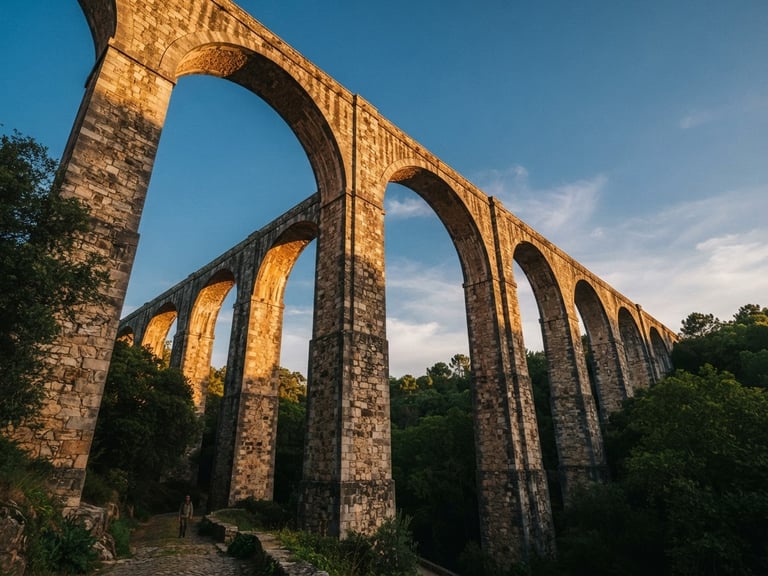
Acueducto de Xalpa: Monumento de piedra y tiempo
Erigido en el siglo XVIII por la Compañía de Jesús, este coloso de cuatro niveles representa la cumbre de la ingeniería hidráulica virreinal en América Latina.
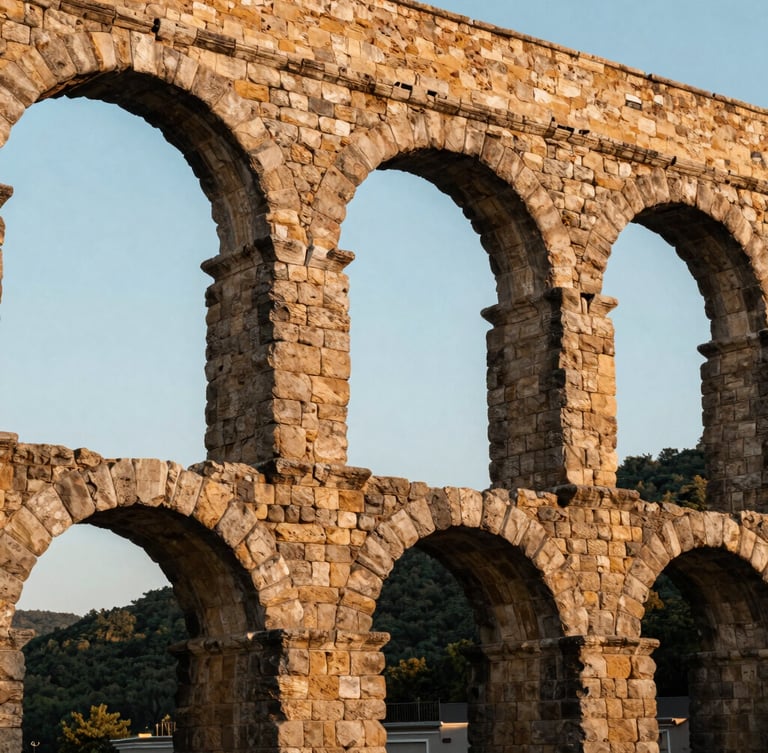
La obra de Xalpa
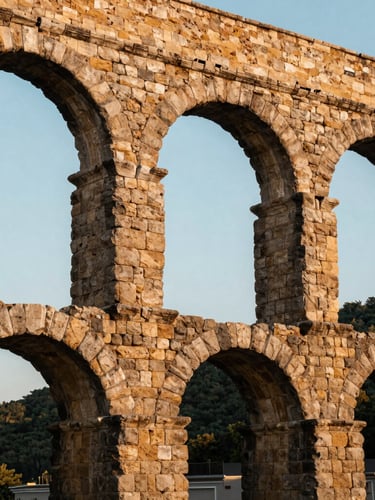
Bajo la dirección del padre Santiago de Castaño, la construcción comenzó en 1731 para abastecer de agua a la próspera hacienda jesuita. El desafío técnico requirió levantar cuatro niveles de arquería sobre una profunda cañada.
Hoy, estas monumentales arcadas de piedra caliza se integran de forma orgánica con los senderos de encino, transformando un canal utilitario en un santuario de herencia cultural y turismo activo.
El gigante en números
61 m
Altura máxima
430 m
Longitud total
56
Arcos de piedra
Cruzar a pie el arco superior es suspenderse entre dos épocas: la audacia del siglo dieciocho y el viento limpio de la cañada actual.
Registro del Patronato Cultural de Tepotzotlán
Arcos del Sitio
Tu escapada de fin de semana al gigante de piedra.
Contacto
info@visitaarcosdelsitio.com
Tepotzotlán, Estado de México
Abierto de lunes a domingo, 09:00 - 18:00
© 2026 Visita Arcos del Sitio-Guía independiente de la cañada de Tepotzotlán.
HISTORIA VIVA Y TURISMO ACTIVO